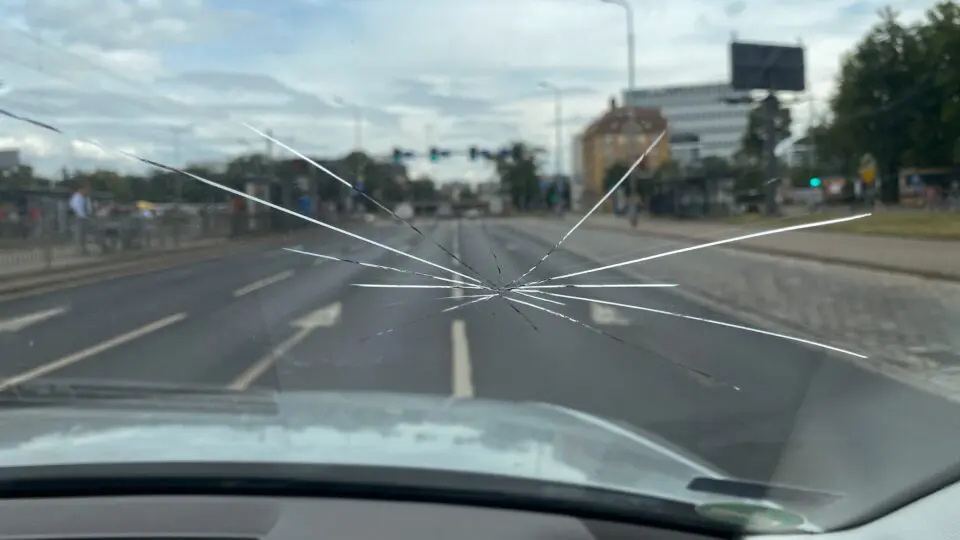
If you’ve driven on Nova Scotia roads for any length of time, chances are you’ve heard the unmistakable ping of a stone hitting your windshield. Whether you’re commuting through Halifax, travelling the 100-series highways, or navigating rural gravel roads, windshield chips and cracks are a common reality for local drivers.
While auto insurance policies often cover glass damage, many drivers are surprised to learn that auto glass claims can be handled differently from other types of vehicle damage. Let’s look into how your coverage works to avoid unexpected costs and make informed decisions when windshield damage occurs.
Why Windshield Damage Is So Common in Nova Scotia
Nova Scotia’s roads create the perfect conditions for windshield damage. Loose gravel, construction zones, winter sand, and debris kicked up by passing vehicles can all lead to chips and cracks.
Even a small stone can cause damage that worsens over time. Changes in temperature, rough road conditions, and normal vehicle vibrations can turn a minor chip into a large crack that requires a full windshield replacement.
That’s why it’s important to address windshield damage as soon as possible.
Does Auto Insurance Cover Windshield Damage?
In many cases, windshield and other auto glass damage is covered under the comprehensive portion of your auto insurance policy.
Comprehensive coverage protects your vehicle against damage caused by events other than a collision. This can include:
- Falling objects
- Theft or vandalism
- Fire
- Weather-related damage
- Animal impacts
- Broken or damaged auto glass
If a stone strikes your windshield while you’re driving and causes a chip or crack, the claim is typically handled under comprehensive coverage rather than collision coverage.
However, coverage details can vary by insurer and policy options, so it’s important to review your specific coverage with your insurance advisor.
Will I have to pay a deductible for a windshield claim?
This is the most common question drivers ask, and the answer depends on your policy.
A deductible is the portion of a claim that you are responsible for paying before your insurance coverage applies. Many drivers are familiar with collision deductibles, but some insurance companies offer separate deductibles specifically for auto glass claims.
For example, your policy may have:
- A $500 collision deductible
- A $250 comprehensive deductible
- A separate glass deductible
Some insurers also offer options that reduce or waive the deductible for certain windshield repairs. Because every policy is different, it’s important to understand what deductibles apply before filing a claim. Understand the pros and cons of high or low car insurance deductibles in our previous blog.
Repair or Replace: What’s the Difference?
Not every windshield chip requires a full replacement.
In many cases, small chips can be repaired quickly and effectively if they are addressed early. Repairs are often less expensive and help preserve the structural integrity of the original windshield.
Factors that may determine whether a windshield can be repaired include:
- The size of the chip
- The location of the damage
- The number of chips present
- Whether the crack has spread
Larger cracks or damage located directly in the driver’s line of sight often require a complete windshield replacement. The good news is that acting quickly may prevent a small problem from becoming a much larger and more expensive one.
Will a Windshield Claim Affect My Insurance Premium?
Many drivers hesitate to report windshield damage because they worry it will increase their insurance rates. The impact of a glass claim can vary depending on several factors, including your insurer, claims history, and policy terms. Read our comprehensive blog: The Ultimate Guide for Car Insurance in Nova Scotia for helpful guidance through the claims process.
Because every situation is unique, it’s best to discuss your circumstances with your insurance broker before making assumptions about how a claim may affect your policy. An experienced broker can help you weigh the cost of repairs against your deductible and determine the most cost-effective course of action.
Tips for Preventing Windshield Damage
While some incidents are unavoidable, there are steps you can take to reduce your risk of windshield damage:
- Maintain a Safe Following Distance: Staying farther back from trucks, construction vehicles, and other vehicles helps reduce exposure to flying stones and debris.
- Be Cautious in Construction Zones: Road construction is common throughout Nova Scotia, particularly during the warmer months. Slow down and allow extra space when driving through active work zones.
- Avoid Gravel Shoulders When Possible: Loose gravel can easily become airborne and damage your windshield.
- Repair Small Chips Promptly: A minor chip may seem insignificant, but delaying repairs can allow cracks to spread, potentially leading to a full windshield replacement.
- Consider Your Coverage Options: Reviewing your auto insurance policy regularly can help ensure you have the protection you need for common risks such as windshield damage.
Auto insurance can sometimes feel complicated, especially when different coverages and deductibles apply to different types of claims.
At Bauld Insurance, we help drivers across Nova Scotia understand their coverage and make informed decisions about protecting their vehicles. If you’re unsure what your policy covers or would like to review your current auto insurance protection, contact one of our Bauld Insurance advisors today. We’ll help you find the answers you need and ensure you’re prepared for whatever Nova Scotia roads send your way.


