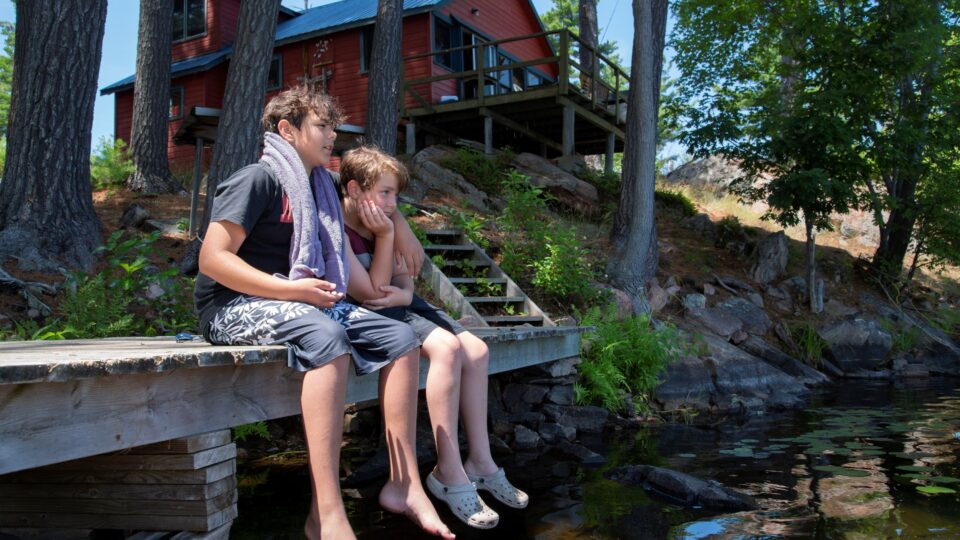
For many Nova Scotians, cottage season is more than just a summer pastime—it’s a way of life. Whether your getaway is a lakeside cabin in the Annapolis Valley, a coastal retreat on the South Shore, or a family cottage that’s been passed down for generations, it’s important to make sure it’s properly protected.
One common misconception is that a cottage can simply be added to a standard home insurance policy. In reality, seasonal and secondary properties come with unique risks that often require specialized coverage. Extended periods of vacancy, remote locations, severe weather, and occasional rentals can all affect the type of insurance you need. Cottage insurance is specifically designed to address these challenges.
In this guide, we’ll explain the difference between seasonal and year-round cottage coverage, discuss vacancy rules, and explore what to consider if you occasionally rent your property to others.
What Is Cottage Insurance?
Cottage insurance is a form of property insurance designed for secondary residences used either seasonally or year-round. While it shares many similarities with standard homeowners insurance, it accounts for risks more common to vacation properties, such as long periods left unoccupied, limited access to emergency services, and seasonal weather exposure.
Coverage can typically include:
- The cottage structure itself
- Detached buildings such as sheds, garages, bunkhouses, and docks
- Personal belongings are kept at the property
- Personal liability protection
- Fire, theft, vandalism, wind, and certain water-related losses, depending on the policy selected
Seasonal Cottage Coverage
Many seasonal cottages are not suitable for year-round living, lacking permanent heating systems, having seasonal road access, or not being winterized. Insurers recognize that these properties spend significant periods vacant and structure coverage accordingly.
Seasonal cottage insurance is often designed to protect the property while it is both occupied and closed for the off-season. However, owners may be required to take specific precautions before leaving the property unattended for extended periods.
These precautions can include:
- Shutting off the water supply
- Draining plumbing systems
- Winterizing pipes
- Arranging periodic inspections of the property
- Maintaining documentation that inspections have occurred
Failing to follow these requirements could affect coverage for losses such as frozen pipes, water damage, or theft. For more winter coverage tips and tricks to secure your home for the off-season, read our blogs on winter storm insurance and frozen water pipe damage.
Year-Round Cottage Coverage
Some cottages function more like second homes. They are insulated, accessible year-round, and regularly occupied throughout all seasons. In these situations, insurers may classify the property as a year-round or secondary residence rather than a seasonal cottage.
Year-round coverage is generally broader because the property is designed for continuous use. However, insurers will still want to understand:
- How frequently the property is occupied
- Whether someone lives there full-time
- The distance from fire protection services
- The property’s heating, plumbing, and security systems
- Whether the home is left unattended for extended periods
If you spend considerable time at your cottage outside of the summer months, it may be worthwhile to discuss whether year-round coverage better suits your needs.
Understanding the 60-Day Vacancy Rule
One of the most important aspects of cottage insurance is understanding vacancy and unoccupancy requirements.
Many insurance policies contain provisions that apply when a property is left unattended for a certain period—often between 30 and 60 consecutive days, depending on the insurer and policy wording. Once these limits are exceeded, certain coverages may be restricted unless the insurer has been notified or specific conditions have been met.
For example, if your cottage sits empty all winter and no one checks on it, a claim involving burst pipes or theft could be more difficult to process if policy requirements were not followed. Some insurers require documented inspections at regular intervals, while others may require formal notification if the property will be vacant for more than a specified period.
The key takeaway is simple: don’t assume your policy automatically covers a cottage that’s left unattended for months at a time. Always review your policy conditions and discuss your occupancy plans with your broker.
What If You Rent Out Your Cottage?
Short-term cottage rentals have become increasingly popular, especially during Nova Scotia’s busy summer tourism season. While renting your property can help offset ownership costs, it can also change your insurance needs.
Many standard cottage policies either limit rental activity or require additional coverage when the property is rented to others. Some insurers offer coverage for occasional short-term rentals, while others may require endorsements or specialized rental property insurance. Coverage can also extend to lost rental income if the property becomes unusable after an insured loss.
Before listing your cottage on a rental platform or accepting guests, ask your broker:
- Does my policy allow short-term rentals?
- Is there a limit on the number of rental days per year?
- Am I covered for damage caused by renters?
- Is liability protection extended to paying guests?
- Are detached structures, docks, and watercraft included?
A quick conversation before renting can help prevent costly surprises later. For more details on the overlap between home insurance and short-term rentals, check out our previous blog.
Choosing the Right Coverage for Your Cottage
Every cottage is different. The right insurance solution depends on factors such as:
- Whether the property is seasonal or year-round
- How often is it occupied
- Its location and accessibility
- Whether it is winterized
- If it is rented to others
- The value of the building, contents, and outbuildings on the property
Because cottage insurance can vary significantly between insurers, it’s important to understand the unique risks associated with seasonal properties in Nova Scotia. Visit our Home Insurance webpage for more guidance and frequently asked questions as you explore your insurance options for your cottage or second property.
Your cottage is more than just another building—it’s where family memories are made, traditions are passed down, and summer weekends are enjoyed.
At Bauld Insurance, we can help you understand the differences between seasonal and year-round cottage coverage, navigate vacancy requirements, and ensure your policy reflects how you actually use your property. Contact our team today to discuss coverage options for your Nova Scotia cottage.


