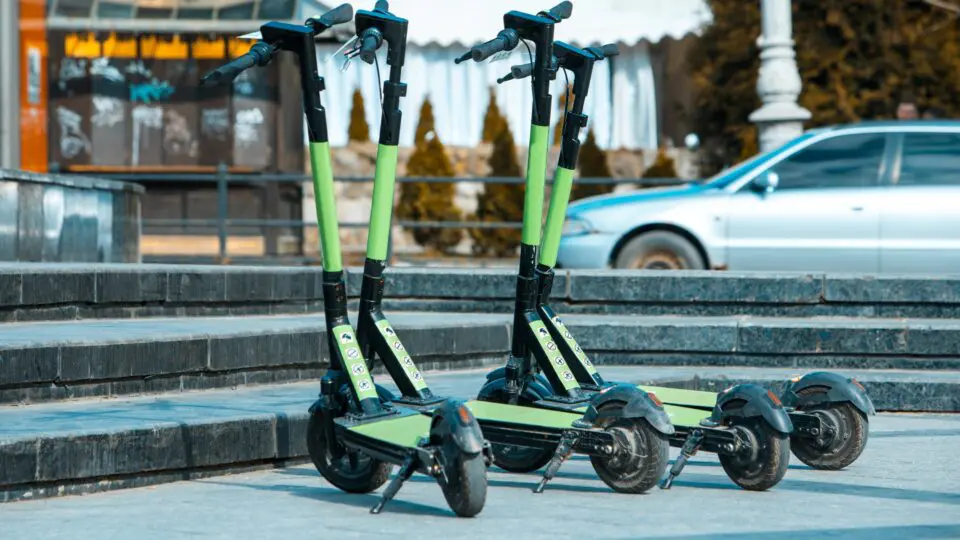
Electric rideables like e-bikes, scooters and Segways are quickly becoming part of everyday life in Halifax. From commuting downtown to cruising along the waterfront or exploring local trails, e-bikes and scooters offer Nova Scotians a convenient, affordable, and environmentally friendly way to get around.
But whether you own your personal electric vehicle (PEV) or rent one occasionally, there’s an important question many riders overlook: What happens if something goes wrong — and does insurance cover it?
The answer depends heavily on whether the bike is personally owned or rented. While many people assume all e-bikes are covered under standard insurance policies, there are often limitations, exclusions, and liability considerations that riders should understand before heading out on the road.
Why Personal Electric Vehicles Can Be Complicated for Insurance
Unlike traditional bicycles, e-rideables sit in a unique category between personal property and motorized vehicles. Because they include electric motors and rechargeable batteries, insurance companies may treat them differently from standard bikes.
Coverage can vary depending on:
- Whether the PEV is owned or rented
- How it’s rented — via app or by a rental company
- The PEV’s value and power level
- How it’s being used
- Where it’s stored
- Whether it’s used recreationally or for commuting
This distinction becomes especially important as e-bike use continues to grow across Halifax.
If You Own Your Personal Electric Vehicle
For people who own a PEV, coverage may fall under a home or tenant insurance policy as personal property. However, that doesn’t always mean you’re fully protected.
Theft Coverage May Have Limits
Many PEVs cost between $2,000 and $8,000. Some standard home insurance policies place coverage caps on bicycles or similar recreational equipment, meaning your policy may not fully reimburse you after a theft.
These caps are especially important in urban areas where bike thefts can happen:
- Apartment storage rooms
- Garages
- Bike racks downtown
- Transit stations
- University campuses
If your e-bike is stolen, insurers may ask for:
- Purchase receipts
- Photos of the bike/scooter
- Serial numbers
- Proof that the vehicle was securely locked
Liability is Often Overlooked
Many riders focus on protecting the vehicle itself, but liability is equally important. For example, if you accidentally injure a pedestrian or damage someone’s property while riding, you could potentially be held financially responsible.
Some home insurance policies may extend personal liability coverage to e-bike or scooter use. Still, not all policies are the same — especially for higher-powered vehicles or business-related use.
Battery and Fire Risks Matter Too
Lithium-ion batteries are another growing concern. Damaged batteries or improper charging can pose a fire risk, particularly when bikes are stored indoors.
To reduce risks:
- Use manufacturer-approved chargers
- Avoid charging overnight unattended
- Store batteries in dry, temperature-controlled areas
- Replace damaged batteries promptly
What If You Rent a Personal Electric Vehicle?
Renting a PEV for a weekend ride, vacation, or occasional sightseeing tour may seem simpler — but insurance questions still apply. Many riders assume the rental company automatically covers everything. In reality, rental agreements often place significant responsibility on the renter.
Depending on the rental company, you could potentially be responsible for:
- Damage to the vehicle
- Theft while the vehicle is in your possession
- Injuries to other people
- Property damage caused during use
What If You Rent a Personal Electric Vehicle via an App?
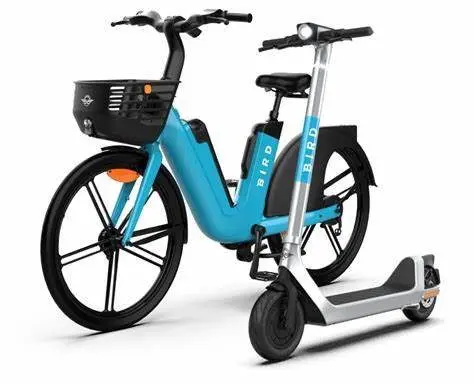
App-based e-bike rentals are becoming increasingly popular in Halifax, especially with programs like the city’s partnership with Bird. These services make it easy for residents and visitors to unlock an e-bike or scooter with their phones and travel around the city without owning a bike.
When using a rental service, the e-bike itself is typically owned and insured by the company. However, that does not necessarily mean you are fully protected as the rider. In many cases, users agree to terms and conditions in the app that place responsibility on them for certain damages, theft, misuse, or injuries caused while operating the bike.
For example, riders could potentially be responsible for:
- Damage caused during an accident
- Injuries to pedestrians or other cyclists
- Improper parking violations
- Theft or vandalism while the bike is checked out under their account
Before riding, it’s worth taking a few minutes to review the app’s user agreement and safety guidelines.
Does Your Home Insurance Cover Rental Damage?
Personal liability coverage under a home or tenant insurance policy may extend to rented recreational equipment, but not always. Read more about what tenant insurance actually covers in our previous blog.
Coverage can vary depending on:
- The type of PEV
- Where the accident occurred
- Whether negligence was involved
- Policy exclusions for motorized devices
For example, if a rented PEV is stolen after being left unsecured outside a restaurant, you may be responsible for the replacement costs under the rental agreement. Similarly, if you accidentally collide with another cyclist or pedestrian, liability coverage may not automatically apply the way many people expect.
Tips for Nova Scotia E-Bike Riders
Whether you own or rent, a few simple precautions can help protect both your finances and your safety.
- Lock Your Bike Properly: Use a high-quality U-lock or heavy-duty chain lock whenever possible.
- Local Laws and Regulations: Understand local cycling laws, road regulations, and helmet requirements.
- Keep Records: Owners should save receipts, photos, and serial numbers.
- Read Rental Agreements Carefully: Understand exactly what you’re responsible for before riding away.
- Review Your Insurance Policy: Not all policies treat e-bikes the same way.
- Ask Questions: If you’re unsure whether you’re covered, it’s always better to clarify before an accident or theft occurs.
Electric rideables are transforming transportation across Nova Scotia, offering a practical and enjoyable alternative to driving. Whether you own your bike or occasionally rent one, insurance coverage is not always as straightforward as many riders assume.
If you have questions about how your home or tenant insurance may apply to e-bikes, speaking with one of our Bauld Insurance advisors can help you better understand your options so that you can enjoy the ride with peace of mind.


