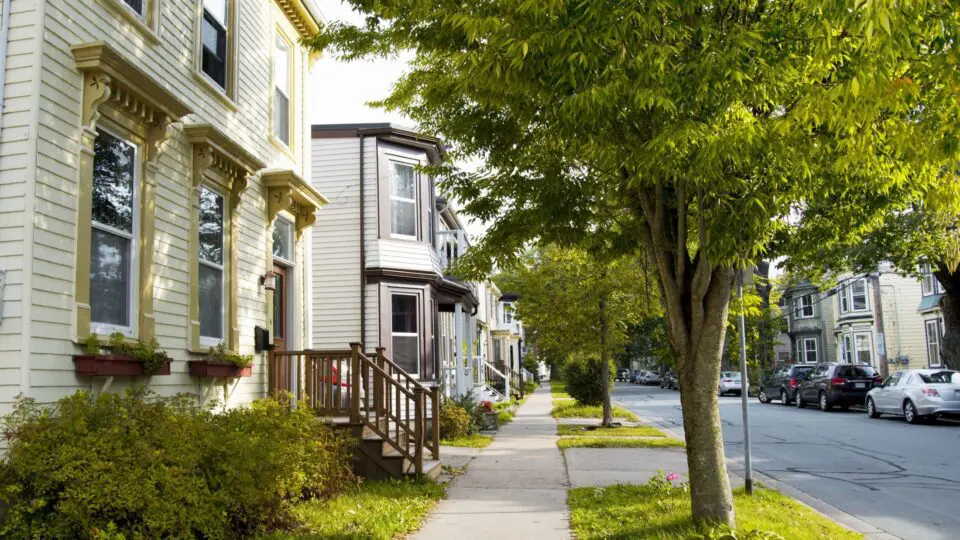
Nova Scotia is known for its charm, tree-lined streets, historic architecture, and homes full of character. From classic Victorian builds to early 20th-century houses, older homes are a big part of what makes our city feel like home. While these properties offer timeless appeal, they can also entail unique insurance considerations.
If you own or are considering purchasing an older home in Nova Scotia, it’s important to understand how features such as knob-and-tube wiring, aluminum wiring, and oil tanks can affect your insurance coverage. Let’s break it down!
Why Older Homes Require Special Insurance Attention
Older homes weren’t built to modern building codes, materials, or safety standards. While many have been updated over the years, some original systems may still be in place or only partially upgraded.
Insurance providers assess risk when determining coverage, and outdated electrical or heating systems can increase the likelihood of claims related to fire, leaks, or environmental damage. This doesn’t mean you can’t insure older homes, it just means insurers may require upgrades, inspections, or specific conditions to provide coverage. Visit our Home Insurance Webpage for frequently asked questions and more helpful resources.
Knob & Tube Wiring: What You Need to Know
Knob & tube wiring was commonly used in homes built before the 1950s. While it was safe for its time, it’s now considered outdated and potentially hazardous.
Why insurers are cautious:
- It lacks grounding, which increases the risk of electrical shock
- Insulation can deteriorate over time
- It may not handle modern electrical loads (appliances, devices, HVAC systems)
What this means for your insurance:
- Some insurers may decline coverage entirely if knob & tube is active
- Others may offer coverage with conditions, such as a timeline for replacement
- You may need a certified electrician’s inspection to confirm its condition
If your home still has knob & tube wiring, upgrading to modern electrical systems is strongly recommended, not just for insurance, but for safety and resale value.
Aluminum Wiring: A Common Mid-Century Concern
Homes built in the 1960s and 1970s often used aluminum wiring as a cheaper alternative to copper. While not inherently dangerous, aluminum wiring can pose risks if not properly maintained.
Key concerns:
- Aluminum expands and contracts more than copper, which can loosen connections
- Loose connections may lead to overheating or fire hazards
- Improper modifications or repairs can increase risk
Insurance implications:
- Many insurers will still cover homes with aluminum wiring, but with conditions
- You may need to prove that proper safety measures have been taken
- Premiums may be higher if upgrades haven’t been completed
Recommended solutions:
- Have a licensed electrician inspect the system
- Install approved connectors (such as COPALUM or AlumiConn)
- Consider a full or partial rewiring, depending on the home’s condition
Oil Tanks: A Heating Source with Extra Considerations
Oil heating is still common in Atlantic Canada, especially in older homes. However, oil tanks, particularly older steel tanks, raise environmental and financial risks if they leak. Check out our blog on how Home Heating Affects Home Insurance for more details.
Why insurers pay close attention:
- Oil spills can cause significant environmental damage
- Cleanup costs can be extremely high
- Older tanks are more prone to corrosion and failure
What insurers look for:
- Age of the tank (many have strict limits, often 15–20 years)
- Tank type (single-wall vs. double-wall)
- Installation location (indoor vs. outdoor)
- Proof of regular maintenance or inspection
Insurance requirements may include:
- Replacing older tanks with newer, approved models
- Providing documentation of installation and servicing
- Installing leak detection systems
Tips for Insuring an Older Home in Halifax
Owning an older home doesn’t necessarily mean complicated insurance. With the right approach, you can protect your property while preserving its character. Here are a few of our top tips to keep you and your home well protected.
- Get a home inspection before purchasing: Most home buyers recognize the importance of a pre-sale inspection, which is crucial for identifying any outdated systems asap.
- Work with experienced professionals: Electricians, oil technicians, and insurance brokers can guide you through upgrades and requirements.
- Keep documentation: Records of upgrades, inspections, and replacements can make a big difference when applying for coverage.
- Plan upgrades strategically: Tackling key risk areas can improve your insurability and reduce long-term costs.
Partnering with the Right Insurance Broker
Every older home is unique, and so is every insurance policy. That’s why working with a knowledgeable, local broker is so important. As Nova Scotia’s top-rated insurance broker, we understand the implications and realities of insuring older homes. We’re here to help you protect what matters most while keeping your home’s character intact.
If you’re unsure where to start, reach out to the team at Bauld Insurance. Our expert insurance advisors can guide you through your options and help you protect you and your home – that’s real peace of mind.


