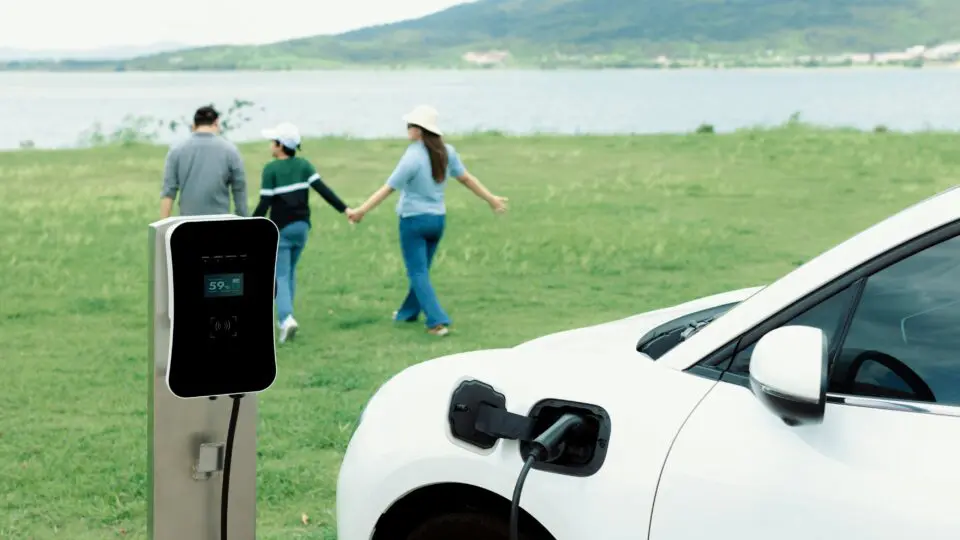
Electric and hybrid vehicles are becoming more common on Nova Scotia roads. Whether you’re commuting through Halifax, taking a road trip around the Cabot Trail, or navigating winter conditions along the South Shore, more drivers are considering electric vehicles (EVs) and hybrid models as a way to reduce fuel costs and lower their environmental impact.
If you’re thinking about buying a Hybrid or EV, or you’ve already purchased one, you may be wondering how car insurance works. Are EVs more expensive to insure? Is the battery covered? What about a home charging station?
Here’s what Nova Scotia drivers should know about insuring electric and hybrid vehicles.
Are Electric and Hybrid Vehicles More Expensive to Insure?
The short answer: sometimes.
Insurance premiums are based on many factors, including your driving history, where you live, the vehicle’s value, repair costs, and claims data. Because electric vehicles may be more costly and often have specialized components, they can sometimes cost more to insure than comparable gas-powered vehicles.
For example, replacing an EV battery can be significantly more expensive than replacing traditional vehicle components. Some repairs also require specially trained technicians and specialized parts, which can increase collision repair costs.
However, this doesn’t automatically mean you’ll pay dramatically higher premiums. Many insurers consider the advanced safety features found in newer electric and hybrid vehicles, which can help reduce accident risk and potentially offset some of the higher repair costs.
As with any vehicle purchase, it’s a good idea to obtain an insurance quote before making your final decision.
Is the Battery Covered by Insurance?
The battery is one of the most valuable components of an electric vehicle, and it’s a common concern for new EV owners.
If your battery is damaged in a covered loss—such as a collision, fire, vandalism, or certain weather-related events—your auto insurance may help cover repairs or replacement, depending on the coverage you’ve selected.
For example:
- Collision coverage may help if the battery is damaged in an accident.
- Comprehensive coverage may help if the battery is damaged by hail, flooding, fire, theft, or vandalism.
- Direct Compensation Property Damage (DCPD), where applicable, may help cover damage caused by another insured driver in Nova Scotia.
It’s important to note that insurance generally does not cover normal wear and tear, gradual battery degradation, or manufacturer defects. Those issues are typically addressed through vehicle warranties.
Because battery systems vary significantly between manufacturers, it’s worth discussing your specific vehicle with your insurance broker to ensure you understand what is and isn’t covered.
What About Home Charging Equipment?
Many EV owners install a Level 2 charging station at home for faster and more convenient charging.
The good news is that permanently installed charging equipment may be covered under your home insurance policy as part of your dwelling or attached structures coverage. Portable charging equipment may also be covered as personal property, depending on your policy wording.
If you’ve recently installed a charging station, it’s important to notify your insurance provider. Any significant home upgrade or improvement can affect your coverage needs and replacement costs.
You may also want to review:
- The value of the charging equipment
- Installation costs
- Electrical upgrades completed during installation
- Whether additional coverage limits are required
Keeping your insurer informed helps prevent surprises if you ever need to make a claim.
How Weather Can Impact Electric Vehicles
Nova Scotians know that our weather can be unpredictable. From winter snowstorms to coastal wind and rain, the environment can create unique challenges for any vehicle.
Electric vehicles are designed to operate safely in a wide range of weather conditions, but severe weather can still cause damage.
Comprehensive coverage can help protect against risks such as:
- Falling trees or branches
- Windstorm damage
- Flooding
- Fire
- Theft or vandalism
Are There Insurance Discounts for Electric Vehicles?
Some insurance companies offer discounts or specialized programs for environmentally friendly vehicles, while others focus more on the vehicle’s overall risk profile rather than its fuel type.
Available discounts vary between insurers and may change over time.
In addition to asking about EV-specific savings, Nova Scotia drivers should also inquire about common discounts such as:
- Bundling home and auto insurance
- Multi-vehicle discounts
- Safe driving discounts
- Usage-based insurance programs
- Winter tire discounts
At Bauld Insurance, we can help compare multiple insurance companies to identify the best combination of coverage and pricing.
Electric Vehicle Ownership in Nova Scotia
Interest in electric vehicles continues to grow across Nova Scotia as charging infrastructure expands and manufacturers introduce more models. Government programs have supported EV adoption in recent years, and Canada’s broader transition toward zero-emission vehicles continues to encourage growth in the market.
While provincial rebate programs for light-duty electric vehicles have ended, EV ownership remains a growing part of Nova Scotia’s transportation landscape. Nova Scotia also introduced a registration levy for electric and plug-in hybrid vehicles in 2026, which owners should factor into their overall vehicle costs.
Electric and hybrid vehicles offer many benefits, but they also come with unique insurance considerations. From battery protection and repair costs to charging equipment and specialized coverage needs, understanding your policy is an important part of EV ownership.
Whether you’re considering your first electric vehicle or already drive one, reviewing your coverage with an experienced broker can help ensure you’re properly protected.
For a broader overview of mandatory coverage requirements and optional protections, check out our guide: The Ultimate Guide for Car Insurance in Nova Scotia.
At Bauld Insurance, our expert insurance advisors are happy to answer your questions and help you compare coverage options for electric, hybrid, and traditional vehicles across Nova Scotia.


