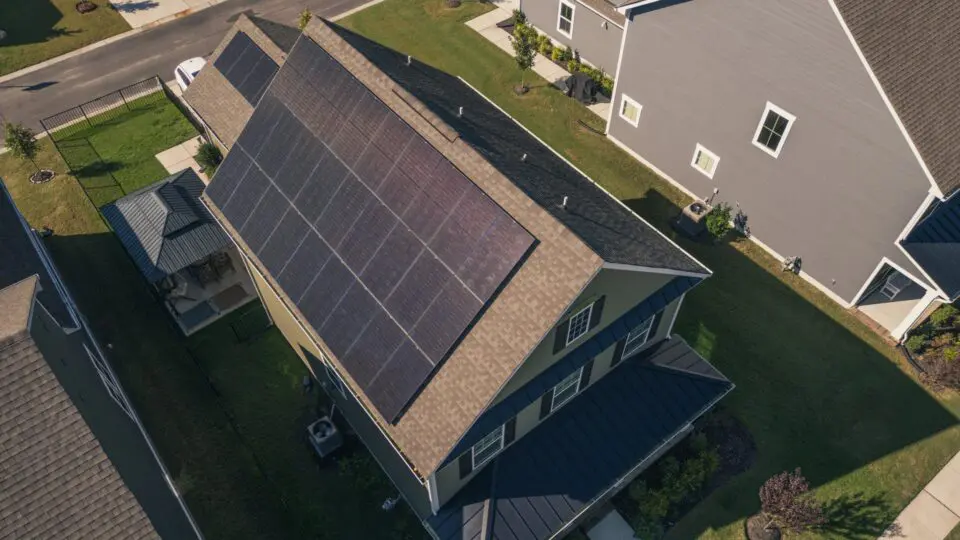
As more Nova Scotians look for ways to reduce energy costs and make their homes more environmentally friendly, solar panels are becoming an increasingly popular investment. With rising electricity costs and growing interest in renewable energy, many homeowners are exploring whether solar power is the right choice for their property. Nova Scotia continues to support the growth of clean energy initiatives, and solar technology is becoming more accessible across the province.
While solar panels can help lower utility bills and increase your home’s value, they can also have an impact on your home insurance coverage. Because solar systems represent a significant investment, it’s important to understand how your insurance policy may need to change before installation begins.
If you’re considering making the switch to solar, here’s what every Nova Scotia homeowner should know.
Do Solar Panels Affect Home Insurance?
In most cases, yes. Solar panels are considered a permanent improvement to your home, similar to a new roof, an addition, or a detached garage. Because they increase the value and replacement cost of your property, your home insurance policy should be updated to reflect the addition. Read up on how other home additions, such as a pool, hot tub, or new roof, affect your policy.
Failing to notify your insurance provider about a solar installation could leave you underinsured if a covered loss damages the panels.
Fortunately, updating your policy is usually straightforward. Your insurance broker can help ensure the new system is properly included in your home’s replacement value and that your coverage limits remain adequate.
Why Solar Panels Increase Your Home’s Replacement Cost
One of the primary factors insurers consider is the cost of rebuilding or repairing your home after a major loss.
A residential solar system can cost thousands—or even tens of thousands—of dollars to purchase and install. If your home were damaged by a fire, severe storm, or other covered peril, the claim settlement would need to include the cost of replacing the solar equipment.
As a result, many homeowners require a higher dwelling coverage limit after installing solar panels.
When reviewing your policy, your broker may ask for:
- The total installation cost
- The size and capacity of the system
- Installation receipts and permits
- Information about the installer and warranty
Having this information available helps ensure your insurer values the addition accurately. For more details on your coverage as your home’s value increases, read our blog: Does Home Insurance Coverage Grow as the Value of the Home Increases?
Roof-Mounted vs. Ground-Mounted Solar Panels
The type of solar system you install can influence how coverage applies.
Roof-Mounted Systems
Roof-mounted panels are the most common option for residential properties. In many cases, these systems are covered under the dwelling portion of your home insurance policy because they are attached directly to the structure.
If a covered event damages both the roof and the solar panels, insurers often repair or replace them together under the same claim.
Ground-Mounted Systems
Insurers may treat ground-mounted arrays differently. Because they are separate from the main dwelling, they may fall under “other structures” coverage, similar to a detached shed or garage. This means you should verify that your policy provides sufficient limits for detached structures on your property.
Every insurer handles solar installations differently, so review the details with your broker.
Nova Scotia Weather Risks and Solar Panels
Nova Scotians are no strangers to severe weather. From powerful coastal winds and hurricanes to heavy snowfalls and freezing rain, solar panels must withstand a variety of environmental conditions year-round.
Many modern solar systems are engineered to handle harsh weather and are tested for wind and snow loads. However, extreme weather events can still cause damage.
Potential risks include:
- Wind damage from major storms or hurricanes
- Falling trees or branches
- Hail damage
- Heavy snow accumulation
- Ice buildup
- Fire damage caused by electrical failures
Because weather-related claims are among the most common reasons homeowners use their insurance, it’s important to confirm that your solar investment is properly protected.
Will Solar Panels Increase My Insurance Premium?
Possibly—but often only modestly. Because solar panels increase your home’s replacement value, insurers may adjust your premium to reflect the additional coverage required.
The actual increase depends on several factors, including:
- The value of the solar installation
- The type of system installed
- The location of your property
- Your claims history
- Your insurer’s underwriting guidelines
In many cases, the increase is relatively small compared to the investment’s overall value and the potential savings the system generates over time.
Some homeowners are surprised to learn that insurers may actually view professionally installed solar systems positively because they represent a well-maintained property and a long-term investment in the home. Navigate to our home insurance web page for a collection of frequently asked questions and helpful guidance.
Will Solar Batteries Increase My Insurance Premium?
Many homeowners are now pairing solar panels with battery storage systems to improve energy independence and provide backup power during outages.
Battery systems can add significant value to your property and should also be disclosed to your insurer. Federal and provincial energy-efficiency programs have encouraged battery storage alongside solar installations as part of broader resiliency efforts.
Because batteries involve specialized equipment and electrical components, your insurer may require additional information regarding installation and safety certifications.
Solar panels are a significant investment that can provide long-term energy savings while supporting a cleaner future for Nova Scotia. However, like any major home upgrade, you should reflect solar installations in your insurance policy to ensure you’re fully protected.
If you’re planning a solar installation or have questions about how renewable energy upgrades may affect your home insurance, contact our team of expert Bauld Insurance advisors. A quick policy update today can help ensure your investment is properly protected for years to come.


